Reliable Fence Replacement Services for Every Budget
Trustworthy fence replacement options are critical for homeowners seeking to enhance their property. With numerous choices on the market, from economical chain link to sophisticated wooden designs, there is a solution fitting every financial plan. Understanding individual needs, such as security and design, is essential throughout this journey. However, selecting the right contractor and materials can be overwhelming. What aspects ought to be examined to secure a favorable conclusion?
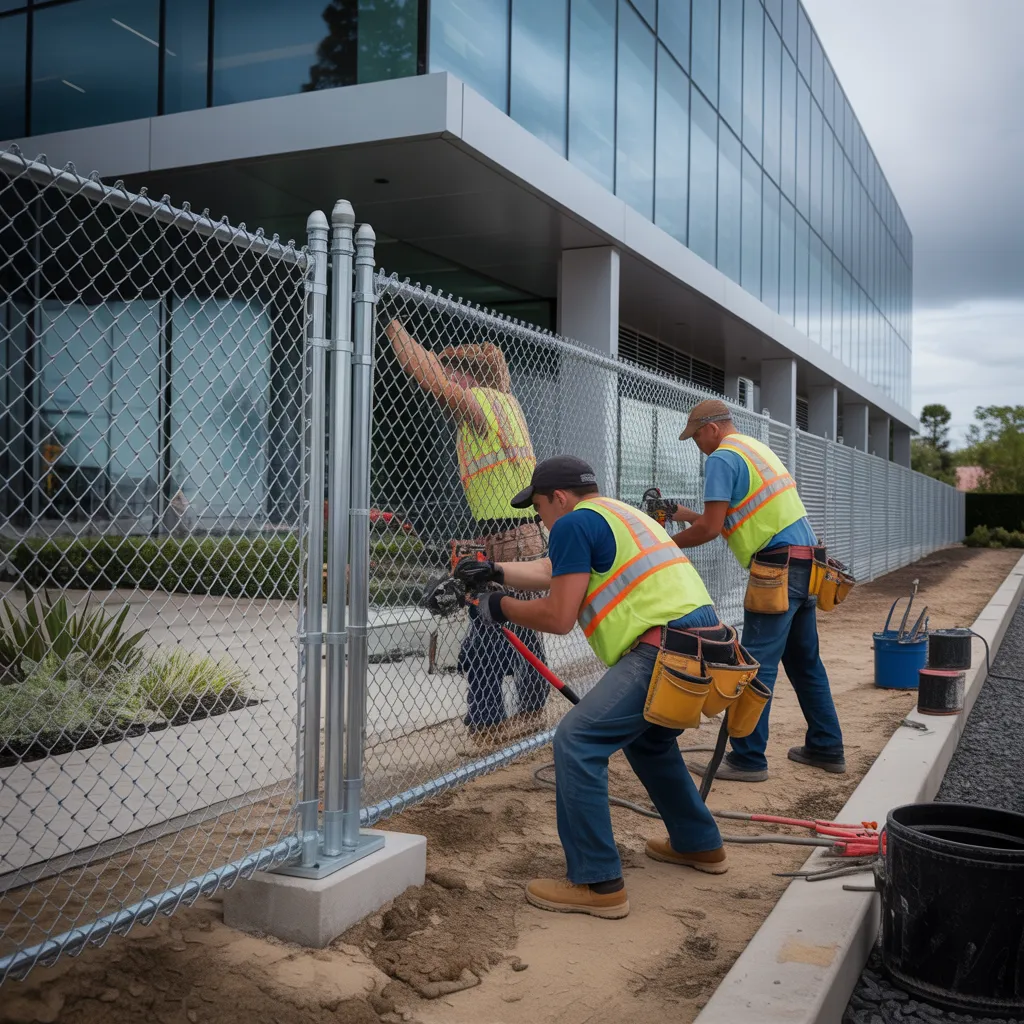
How to Choose the Right Fence for Your Property
When considering the ideal fence for a property, it is essential to analyze various factors that influence the decision. The primary considerations include the intended function of the fence, whether for privacy, security, or aesthetic appeal. Additionally, the local climate plays a significant role; the chosen materials must resist environmental elements to ensure lasting performance. Local property boundaries and zoning laws should also be examined to avoid potential disputes with neighbors.
Another important factor is maintenance; some materials require more upkeep than others. Homeowners need to assess their readiness to invest time and resources into maintaining their fence. Additionally, individual aesthetic preferences should complement the property's architectural style. By evaluating these factors, property owners can make informed choices that enhance their space while fulfilling their specific needs.
Cost-Effective Fence Choices: Materials and Styles
When thinking about fence replacement, budget-friendly options can provide both value and aesthetic appeal. Several materials, such as chain link and vinyl, offer cost-effective solutions without compromising on durability. Furthermore, flexible design choices allow homeowners and property owners to achieve the desired aesthetic while remaining within budget constraints.
Budget-Friendly Material Options
Affordable materials for fencing can significantly affect both the budget and appearance of a property. Widely used options include chain link, which offers strength at a more affordable price point, and vinyl, known for its easy maintenance and lasting performance. Wood fencing, notably pressure-treated pine, offer a classic look and can be budget-friendly if purchased locally. Composite materials, while slightly pricier, combine the appearance of wood with greater strength, making them a worthwhile investment. Moreover, bamboo is an eco-friendly choice that can add a unique character to exterior areas. Each material presents distinct benefits, permitting homeowners to pick options that align with their financial constraints while elevating their property's visual appeal.
Versatile Design Options
Selecting the correct components for fencing not only impacts budget but also provides access to numerous design possibilities. Property owners can choose from a variety of affordable options, such as chain-link, vinyl, or wood fences, each providing distinct design characteristics. For example, vinyl can replicate the look of wood while demanding less upkeep, while a chain-link fence is perfect for an open, unobtrusive view. Additionally, wood can be painted or stained to complement any property, offering customization. Choices like picket or split rail styles can boost your property's appearance without straining your budget. By thoughtfully evaluating these styles and materials, individuals can achieve a beautiful fence that complements their property while staying within spending limits.
Key Elements of Long-Term Durability
Although various materials offer distinct aesthetic qualities, their durability greatly impacts the longevity and maintenance of budget-friendly fencing options. Wood, while popular for its natural appearance, can suffer from rot and insect damage if not properly treated. PVC offers a more durable option, withstanding discoloration and splitting, although upfront expenses tend to be greater. Chain-link structures deliver reliable endurance at an affordable rate but compromise on seclusion and decorative value. Metal varieties including aluminum remain light in weight and corrosion-resistant, making them well-suited for a range of environments. At the end of the day, picking a material that strikes a balance between price and longevity is vital for making certain that value-focused homeowners have access to a sturdy fence that lasts through the years while demanding minimal care.
Top Qualities to Find in Fence Replacement Services
When assessing fence replacement services, what important factors should homeowners consider? To begin with, experience and expertise are crucial; well-established companies typically hold the expertise needed to address diverse fence types and installation demands. Furthermore, a trustworthy service should offer clear communication, keeping clients updated at every stage.
Material quality is another crucial aspect, as they have a direct effect on the lifespan and visual quality of the fence. Homeowners are encouraged to prioritize services that include warranties, reflecting confidence in their workmanship and materials. Customer reviews and testimonials can provide insights into the trustworthiness and quality of the service, assisting homeowners in choosing the right service provider.
Additionally, a wide range of design options empowers homeowners to pick designs that complement their individual preferences and home aesthetics. By prioritizing these key attributes, homeowners can choose a fence replacement provider that fulfills their needs and expectations effectively.
Price Breakdown: DIY vs. Hiring a Professional for Fence Replacement
When evaluating fence installation options, property owners often consider the financial differences between DIY and professional installation. A detailed analysis of DIY expenses uncovers the price of materials, equipment, and unexpected charges, while professional options encompass workforce and specialized experience. Understanding these financial aspects is critical for reaching a well-informed conclusion.
DIY Cost Analysis
A great number of homeowners think about the financial aspects of replacing a fence, evaluating the pros and cons of a DIY approach versus professional installation. DIY fence replacement generally involves material costs, tools, and possible permits. Materials such as wood, vinyl, or chain-link can vary considerably in price, as wood is typically the most budget-friendly choice. Homeowners must also consider the cost of tools—acquiring or renting equipment can increase the total cost. Moreover, even though labor costs are absent in a DIY project, the time invested should be factored in, as it can be substantial. Unforeseen obstacles, like challenging terrain or adverse weather, can additionally affect the budget, making a detailed cost analysis critical before undertaking a DIY project.
Expert Service Costs
Homeowners evaluating the DIY approach frequently find themselves examining the costs associated with professional fencing services. In most cases, working with specialists results in labor costs ranging from $30 to $50 per hour, depending on the region and complexity of the project. Materials may also contribute substantially to the overall expense, with professional services often sourcing higher-quality options than DIYers. Additionally, professionals often include warranties and guarantees, offering enduring value and confidence. Even though DIY work can look less expensive initially, unexpected costs including tools, labor hours, and mishaps can mount quickly. As a result, for homeowners focused on quality and effectiveness, hiring professionals may ultimately represent a sound investment.
Exploring Fence Replacement Costs
How can one assess the costs associated with fence replacement? Multiple elements affect the overall expense of this project. To begin with, the choice of material—wood, vinyl, chain-link, or wrought iron—greatly influences pricing. These materials vary in durability, aesthetic appeal, and cost. Additionally, the size of the area requiring fencing has a direct bearing on the total cost; bigger areas require additional materials and greater labor.
Moreover, local labor costs and installation complexity can influence the final price. As an example, permits or uneven terrain can result in higher labor expenses. Homeowners ought to factor in any extra features, including decorative elements or gates. During peak seasons, contractors may charge more, meaning seasonal demand can also affect pricing. Understanding these variables is essential for homeowners to budget effectively and make informed decisions regarding their fence replacement project.
Tips for Selecting the Best Fence Replacement Contractor
When starting a fence installation project, what considerations should one keep in mind when picking a contractor? First and foremost, it is crucial to check the contractor's credentials, including insurance and licenses. This ensures adherence to local regulations and safeguards the homeowner from liability. Additionally, examining previous work and gathering references can give a clear understanding of the contractor's consistency and quality of work.
Additionally, obtaining multiple quotes helps establish a better grasp of prevailing rates and makes it easier to recognize possible warning signs. Effective communication is equally essential; a service provider should be prompt in their responses, forthcoming about the steps involved, and willing to answer questions. In addition, checking online reviews can uncover client experiences and overall satisfaction. Lastly, a reliable professional will offer a warranty on their work, showing assurance in the quality of their work. By taking these aspects into account, homeowners can come to a thoughtful determination and select a professional who fits their requirements and financial plan.
Questions We Often Receive
How Long Does a Standard Fence Replacement Job Usually Take?
A standard fence installation project typically requires between one and two weeks, based on considerations including the size of the area, type of materials used, and weather conditions affecting the installation process.
What Permits Are Necessary for Replacing a Fence?
Generally, fence replacement permits differ depending on location but often include zoning and building permits. Property owners should consult local rules and regulations to guarantee compliance, as regulations may differ substantially between local municipalities and homeowner associations.
Can I Install a Fence on My Own Property Line?
Certainly, a person is allowed to install a fence on their property boundary, so long as they follow local ordinances and zoning guidelines. It is strongly suggested to confirm property check now lines and communicate with adjoining neighbors to avoid potential disputes.
What Care Is Necessary After Fence Installation?
Regular maintenance after fence installation encompasses examining for any damage, washing down surfaces, applying protective stains or sealants, fastening loose fixtures and hardware, and ensuring vegetation doesn't encroach. Consistent upkeep extends the fence's lifespan and preserves its appearance.
Is There a Warranty Available for Fence Materials and Installation?
Many fence fencing options and installations come with warranty coverage, differing by the manufacturer and the installer. Typically, warranties cover defects and performance, providing assurance that customers are given coverage for issues that may arise post-installation, improving investment security and overall satisfaction.